 Skip to content
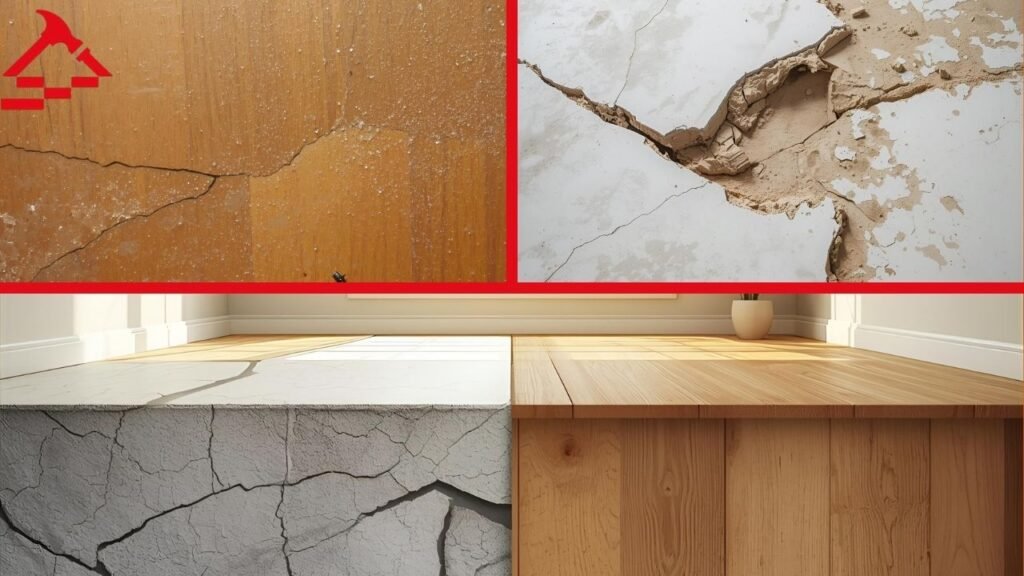
Floors are one of the most important parts of your home. They not only provide comfort and safety but also add aesthetic value. However, floors are prone to damage from moisture, cracks, and pests. Addressing these issues early can save you costly repairs and keep your home safe and beautiful.
In this guide, we’ll explore practical solutions and tips to prevent and fix floor damage, ensuring your floors remain durable, clean, and visually appealing.
Common Causes of Floor Damage
Understanding what causes floor damage helps you take preventive action. The most common issues include:
- Moisture: Leaks, spills, and high humidity can lead to warping, swelling, or mold growth.
- Cracks: Foundation settling, heavy impact, or structural issues can create cracks in wood, concrete, or tiles.
- Pest Infestation: Termites, ants, and other pests weaken wooden floors and can cause long-term damage.
Practical Solutions for Moisture Issues
Moisture is one of the leading causes of floor damage. Follow these simple steps to prevent and fix moisture problems:
- Identify and repair leaks: Inspect pipes, faucets, and windows regularly.
- Install moisture barriers: Use vapor barriers under wood or laminate floors, especially in basements.
- Maintain proper ventilation: Use exhaust fans or dehumidifiers to control humidity.
- Clean spills immediately: Prevent water absorption and staining by wiping spills promptly.
Fixing Cracks in Floors
Cracks can develop in any type of flooring. Here’s how to handle them:
- Wood floors: Use wood filler or epoxy to repair small cracks, then sand and refinish.
- Tile floors: Replace broken tiles or apply a tile repair kit for minor damage.
- Concrete floors: Fill cracks with concrete patching compound or epoxy injection.
- Preventive care: Avoid dragging heavy furniture and use protective pads to reduce stress on floors.
Preventing and Treating Pest Damage
Pests can silently damage your floors over time. Prevent and treat pest issues with these tips:
- Regular inspections: Look for holes, sawdust, or pest trails.
- Use treated wood: Opt for termite-resistant wood or chemical treatments.
- Seal cracks and gaps: Close off entry points to reduce pest access.
- Apply pest control treatments: Consider borate treatments or professional pest control services.
Maintenance Schedule for Healthy Floors
| Maintenance Task | Frequency | Purpose |
|---|---|---|
| Inspect for Moisture & Leaks | Monthly | Detect early signs of water damage |
| Clean & Dry Floors | Weekly | Prevent moisture absorption |
| Check for Cracks | Quarterly | Repair minor damage early |
| Pest Inspection | Bi-Annually | Identify infestations before damage |
| Refinish or Seal Floors | Every 2–3 Years | Protect floors and maintain appearance |
Final Thoughts
Moisture, cracks, and pest damage can significantly reduce the lifespan and beauty of your floors. By following simple maintenance steps and addressing issues early, you can keep your floors safe, attractive, and long-lasting.
Why Choose Home Leader Renovation
For durable, high-quality floors, trust Home Leader Renovation. Their professional flooring installation and repair services protect against moisture, cracks, and pests, ensuring your floors remain strong, safe, and visually stunning. With expert craftsmanship and attention to detail, your home floors are in the best hands.
